From the flagship Cameo 5 to the budget-friendly Portrait 4 and discounted legacy models - here's our hands-on guide to every Silhouette cutting machine you can buy in 2026.
By Steph Osborn·Updated March 18, 2026
We may receive commissions on purchases made from our links. Learn more
Silhouette has been making cutting machines since 2009, and they've built a fiercely loyal following - especially with those of us who value open materials, subscription-free software… and raw cutting power.
If Cricut is the Apple of the craft cutter world (with its polished but closed ecosystem), Silhouette is the Android: more control, more flexibility, and ultimately a steeper learning curve that rewards investment.
This guide covers every Silhouette machine you can buy in 2026 - including the current flagships and legacy models still worth considering - with our recommendations on which one will fit your craft style and budget.
Top Pick
#1 — Top Pick
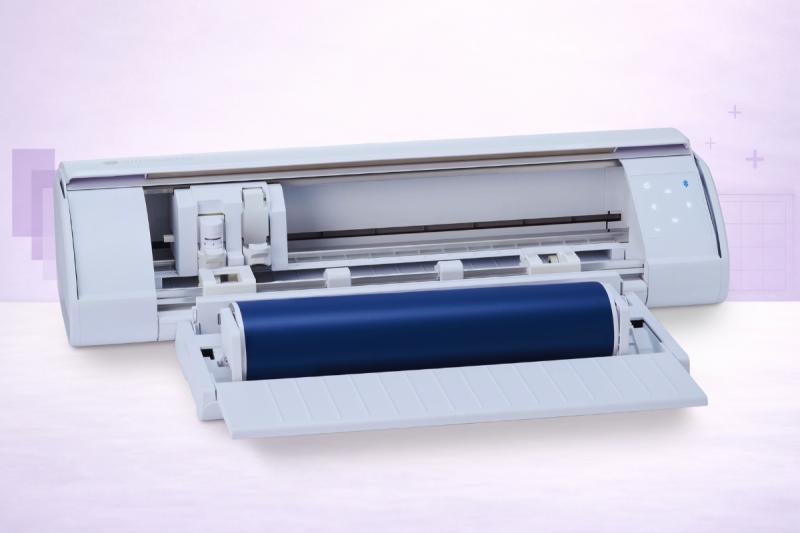
Silhouette Cameo 5
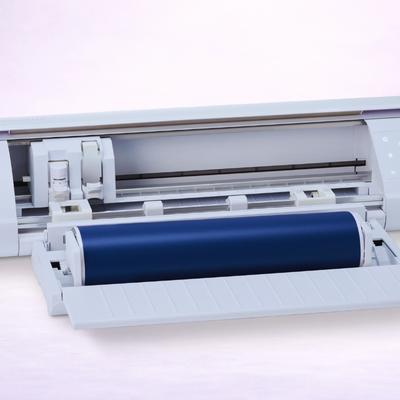
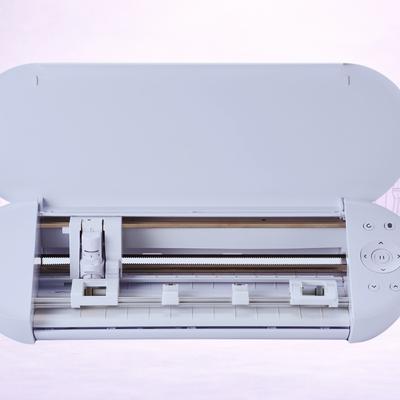
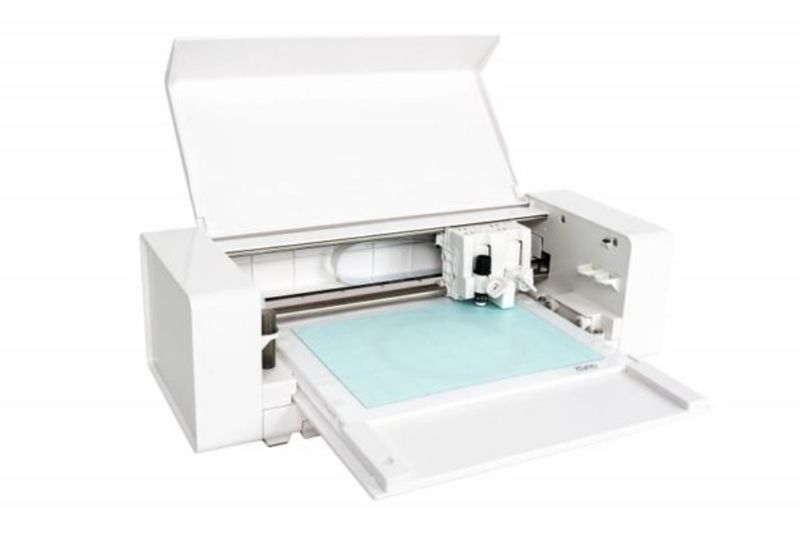
The Cameo 5 is Silhouette's best machine, full stop. Rebuilt from the ground up with the new belt-driven SNA architecture, it's faster (400mm/s), quieter (50 dB), and more precise than the Cameo 4 it replaces. At 5,000 gf cutting force it outmuscles even the Cricut Maker 4, and Intelligent Path Technology optimises every cut for cleaner results. Matless cutting works with any brand of lined material. And Silhouette Studio is completely free with no subscription required.
Software Silhouette Studio (free basic edition; Designer Edition $49.99; Designer Edition Plus $74.99; Business Edition $99.99). Also: Silhouette Go (mobile app), Silhouette Web (browser-based, optional).
✓5,000 gf cutting force - highest of any home cutter, handles leather, chipboard, and craft foam
✓400mm/s speed - 133% faster than the Cameo 4, excellent for batch production
✓Matless cutting with any brand of lined vinyl or HTV - no material lock-in
✓Subscription-free software that works fully offline
✓Dual carriage with Rotary Blade support for unbacked fabric
Watch Out For
✗SVG import requires the paid Designer Edition upgrade
✗Smaller tutorial community than Cricut
✗Get the 5α revision - the original had pinch roller issues
Best Compact
#2 — Best Compact
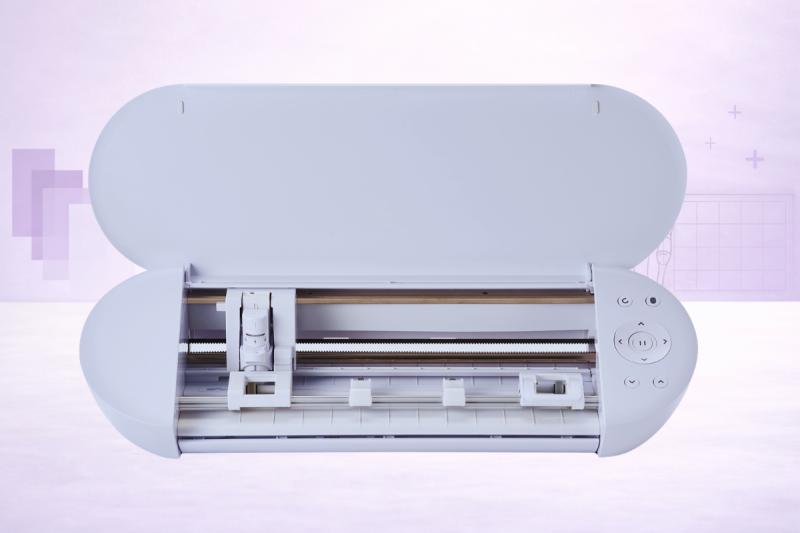
Silhouette Portrait 4
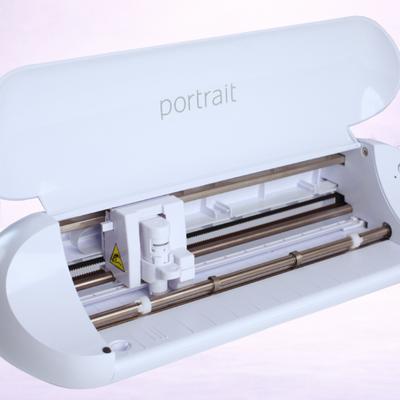
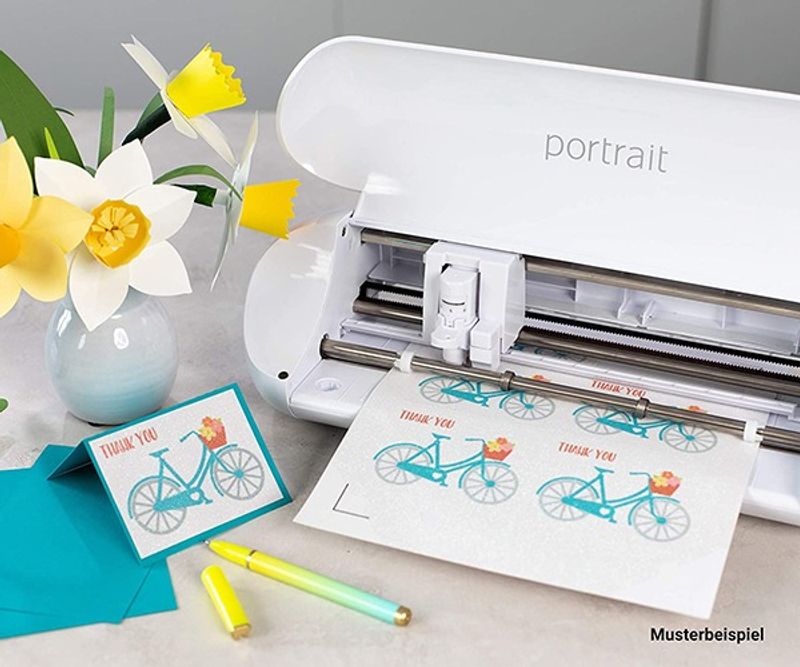
The Portrait 4 is Silhouette's answer to the Cricut Joy and Explore in one small package. At 8 inches wide, it handles vinyl decals, HTV for smaller garments, cardstock, stickers via Print & Cut, and basic craft projects - all without a subscription. It's the cheapest way into the Silhouette family and shares the same free Silhouette Studio software as the Cameo 5. For crafters who mostly make smaller projects, it's a smart entry point.
4.4
★★★★★★★★★★
Excellent
Materials 100+
Cutting Force 210 gf (Tool Holder 1 only)
Connectivity USB 2.0 (Full-speed) + Bluetooth
Software Silhouette Studio (free basic edition; Designer Edition for SVG import). Also: Silhouette Go (mobile), Silhouette Web (browser-based).
✓Most affordable Silhouette machine - lowest entry price in the lineup
✓Same subscription-free Silhouette Studio as the Cameo 5
✓Print & Cut for custom stickers with any brand of printable vinyl
✓Compact enough to store in a drawer or on a shelf
Watch Out For
✗8-inch max width limits larger projects like adult T-shirts
✗Lower cutting force than the Cameo - thick materials may struggle
✗No Rotary Blade support - bonded fabric only
Legacy Bargain
#3 — Legacy Bargain
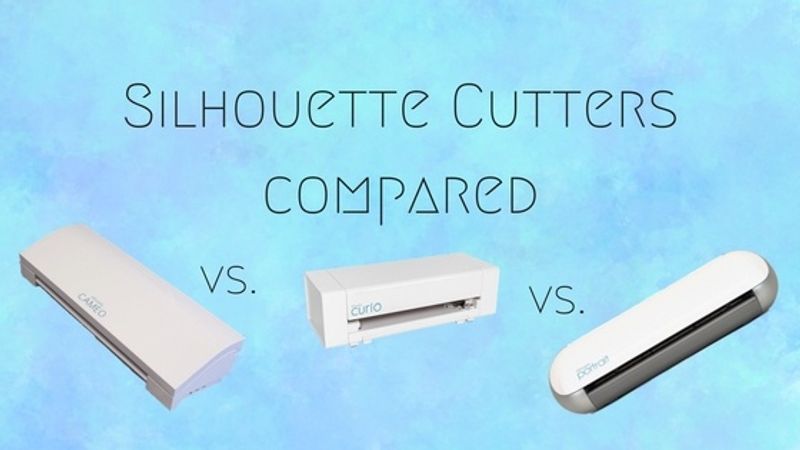
Silhouette Cameo 4
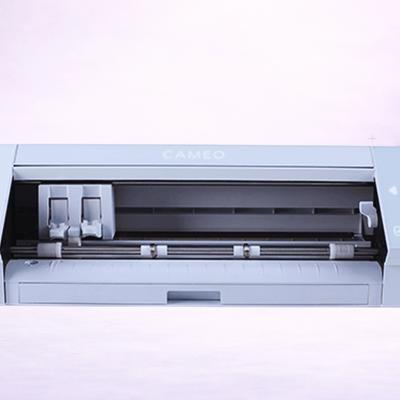
The Cameo 4 was Silhouette's flagship from 2019 to 2024, and it's still an excellent cutter. It shares the same 5,000 gf cutting force as the Cameo 5, has dual tool holders, supports the Rotary Blade for unbacked fabric, and does matless cutting with any lined material. What you miss: the Cameo 5's SNA architecture (quieter, smoother), IPT (smarter cut paths), and the Electrostatic Mat. But if you can find a Cameo 4 at a discount - and they're frequently on sale now - it's the best value-for-capability ratio in the entire Silhouette lineup.
✓Frequently available at steep discounts since the Cameo 5 launched
✓Same free, subscription-free Silhouette Studio software
Watch Out For
✗Louder and slower than the Cameo 5 (gear-driven vs belt-driven)
✗No Intelligent Path Technology or Electrostatic Mat support
✗Being phased out - availability may become limited
#4 — Silhouette
Silhouette Portrait 3
The Portrait 3 is the predecessor to the Portrait 4, offering the same 8-inch cutting width with a slightly older design. It handles vinyl, HTV, cardstock, and Print & Cut just like its successor. The Portrait 4 is the better buy on all metrics, but if you spot a Portrait 3 on clearance, it's still a perfectly capable compact cutter... with the same subscription-free Silhouette Studio software.
3.9
★★★★★★★★★
Very Good
Materials 100+
Cutting Force 210 gf (grams-force)
Connectivity Bluetooth (pre-installed; requires BT 4.0 on host) + USB
Software Silhouette Studio (free basic edition), Silhouette Go (mobile), Silhouette Connect (Adobe Illustrator/CorelDRAW plugin)
✓Same 8-inch cutting width and core capability as the Portrait 4
✓May be available at deep discounts as old stock clears
✓Same free Silhouette Studio software
✓Handles vinyl, HTV, cardstock, and Print & Cut
Watch Out For
✗Older design - the Portrait 4 is a better buy at full price
✗Being phased out as the Portrait 4 takes over
✗AutoBlade not included - manual blade adjustment required
The Silhouette Lineup Explained
Silhouette keeps its product range simpler than Cricut.
There are two product families of interest to us, each available in multiple sizes:
Cameo (Full-Size)
The Cameo is Silhouette's award-winning flagship line - a full-size 12-inch cutter aimed at serious crafters and small businesses.
The current model is the Cameo 5, which replaced the Cameo 4 in 2024. Both offer 5,000 gf of cutting force, dual tool holders, Rotary Blade support for unbacked fabric, and matless cutting with any standard lined material.
Silhouette also makes the Cameo 5 Plus (15-inch cutting width) and Cameo 5 Pro (24-inch cutting width) for crafters who need larger formats.
They share all the same technologies as the standard Cameo 5 - SNA, IPT, Electrostatic Mat support - just with the different-sized wider cutting areas.
We’d say the Plus and Pro are worth considering if you regularly work with wider materials or want to produce larger decals and signage.
But they are more expensive.
Portrait (Compact)
The Portrait is Silhouette's compact cutter - 8 inches wide, designed for smaller projects and tighter budgets.
The current model is the Portrait 4, which replaced the Portrait 3. It shares the same Silhouette Studio software as the Cameo and handles vinyl, HTV, cardstock, and Print & Cut.
This little beauty won't match the Cameo on force or material range, but for stickers, small decals, labels, and compact craft projects… it does the job without the Cameo price tag.
If you're choosing between brands, these are the differences that actually matter day-to-day:
Software: Free, Offline, No Subscription
There are fewer restrictions in how you actually work with your Silhouette machine.
Silhouette Studio is free.
Not "free with limited features" or "free but we'll nag you to subscribe" - actually free!
It runs on your computer, works fully offline, saves files locally, and mostly leaves you to get on with your job. The software is powerful, too - closer to a simplified Illustrator than a consumer craft app.
With that comes a much steeper learning curve compared to Cricut. Something that can deter newbies.
The catch is that the free Basic edition doesn't import SVGs. If you buy designs from Etsy or use free SVGs from the web, you'll need the Designer Edition - a one-time paid upgrade (not a subscription).
Most serious Silhouette users consider this essential. The Business Edition adds multi-colour registration marks, rhinestone tools, and other pro features.
So, yes, while the software is free… some of the paid upgrades are a necessity if you want to unlock the Cameo or Portrait’s full potential.
Open Use Materials
This is Silhouette's biggest practical advantage over Cricut… both in convenience and cost.
Matless cutting works with any standard backed or lined material - any brand of adhesive vinyl, any HTV, any sticker sheet.
You're not locked into buying Silhouette-branded materials at premium prices. Use Oracal 651, Siser EasyWeed, budget vinyl from Amazon - whatever works for your projects and budget.
The built-in roll feeder handles rolls up to 16 feet on the Cameo 5.
Cutting Power: 5,000 gf Across Flagships
Both the Cameo 5 and Cameo 4 deliver 5,000 gf of cutting force - more than the Cricut Maker 4's 4,000 gf.
For most vinyl and paper projects you'll never notice the difference, but it matters for thicker materials: heavy chipboard, craft foam, balsa wood, and thick leather all cut more cleanly with that extra force behind the blade.
A Smaller but Tight-Knit Community
Silhouette's community is smaller than Cricut's.
This has some obvious downsides.
Fewer YouTube tutorials
Fewer beginner guides,
Fewer people to ask when you're stuck…
But the community that does exist - especially Silhouette School (3,000+ free tutorials), the Silhouette Users Facebook group, and various craft blogs - is deeply knowledgeable and friendly to deal with.
It’s not like you’re dealing with a cheap machine shipped over from China and supported by a single instruction manual.
Ultimately, if you're comfortable being slightly more self-directed, the resources are there.
New to Silhouette?
Silhouette School (silhouetteschoolblog.com) is the single best resource for Silhouette users. It covers everything from absolute beginner basics to advanced techniques, with step-by-step photo tutorials. Bookmark it before you unbox your machine!!
Previous Silhouette Machines
Silhouette has released several generations of machines over the years. We’re reviewed several of them here on VCM.
Here's a quick look at the models you might encounter as discounted or second-hand options:
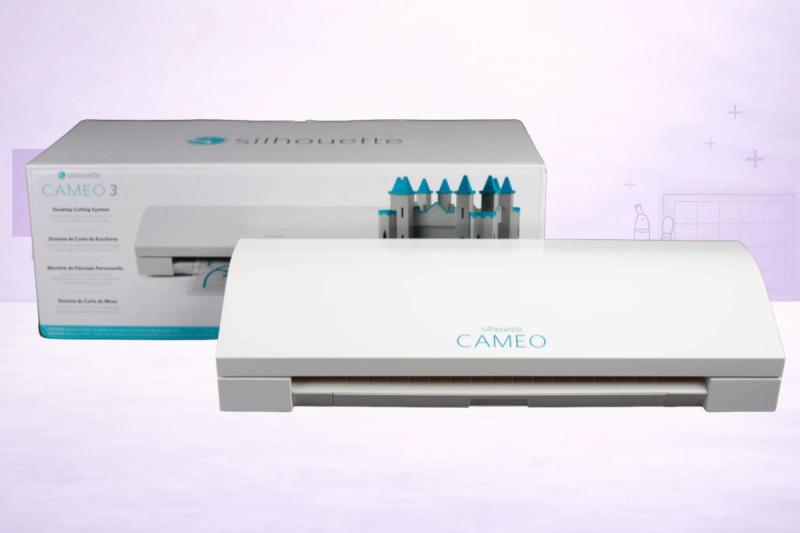
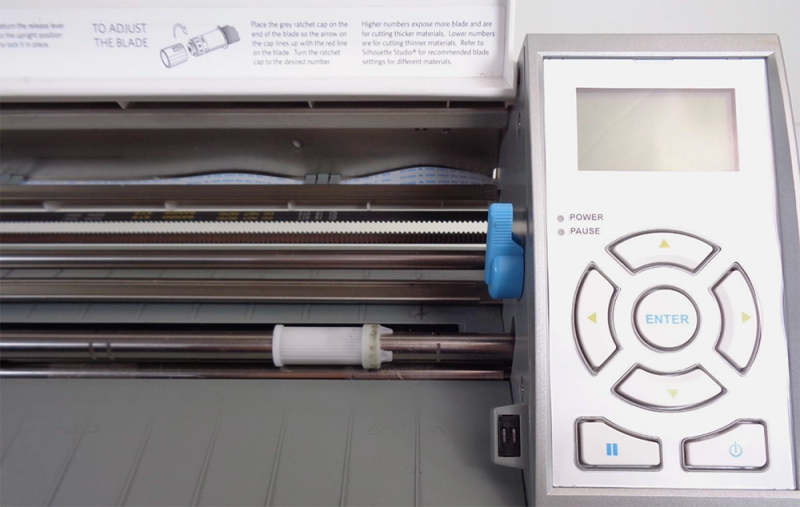
Silhouette Cameo 3 (2016)
Somebody please tell us how this machine is ten years old already!!
The Cameo 3 was Silhouette's first machine with Bluetooth connectivity and an AutoBlade.
It's still a solid cutter that still works well with current Silhouette Studio software, but it lacks the Cameo 4/5's dual tool holders, 5,000 gf force, and matless cutting capability.
That said, if someone offers you one for a very low price, it's a decent starter - but we'd recommend spending a little more for a Cameo 4 or Portrait 4 with their significantly enhanced capability.
Silhouette Cameo 2 (2014)
The Cameo 2 added a wider touchscreen and improved mat loading over the original Cameo. It's now very dated and we wouldn't recommend seeking one out. Software compatibility will become an issue as Silhouette Studio continues to evolve.
Silhouette Cameo (Original, 2011)
Who remembers this bad boy?!
Ahh, yes.
Making us feel nostalgic, this is the machine that started Silhouette's consumer cutting journey. A 12-inch cutter that was revolutionary for its time. It's now firmly a collector's item rather than a practical recommendation… if you own one and it still works, that's impressive, but any current machine will be a dramatic upgrade in every conceivable dimension.
Silhouette Curio (2015)
The Curio was Silhouette's experiment with a different form factor… a flatbed-style machine designed for stippling, embossing, etching, and cutting thicker materials. It had a passionate following but was discontinued. If you find one, it's still interesting for mixed-media art and embossing projects, although it's definitely not a replacement for a Cameo as a general-purpose cutter.
Buying Second-Hand
If you're buying a used or discounted Silhouette machine, check that it's compatible with the current version of Silhouette Studio. Very old machines (original Cameo, Cameo 2) lose software support over time. The Cameo 3 and newer are all currently supported.
Silhouette Studio: The Software Breakdown
Silhouette Studio comes in four tiers, and understanding them will save some confusion:
Basic (free) - This is included as standard. Cut, trace images, design shapes, text, drawing tools. Handles most basic projects. Does NOT import SVG, DXF, or PDF files. And that’s a major loss, without…
Designer Edition (one-time paid upgrade) - Adds SVG, DXF, and PDF import; rhinestone tools; sketch effects; advanced knife and eraser tools. This is the tier most crafters end up on. Pretty much essential if you buy designs from Etsy or use free SVG resources.
Designer Edition Plus (one-time paid upgrade) - Adds .PES embroidery file import, a pattern fill library, and more. Less common and mainly useful for crafters who also do embroidery.
Business Edition (one-time paid upgrade) - This version adds multi-colour registration marks for print-and-cut with spot colours, advanced rhinestone templates, and commercial-grade tools. Only for small businesses doing volume production.
Every tier is a one-time purchase, not a subscription.
You buy it once and own it forever, including all future updates within that edition. And yes, this is a fundamentally different model from Cricut Access's monthly subscription… and it's a major reason Silhouette users are loyal to the platform.
Cameo 5 vs Cameo 5 Plus vs Cameo 5 Pro
If you've decided on the Cameo 5, the next question is… which size?
All three share identical technology so the only difference is cutting width. Don’t be mistaken into believing you’re getting a more powerful machine:
Cameo 5 (12-inch) - The standard choice. Handles all standard vinyl rolls, 12×12 mats, and letter-size sticker sheets. Right for 90% of crafters.
Cameo 5 Plus (15-inch) - Wider format for 15-inch materials. Useful if you regularly work with wider HTV rolls or make large decals. A worthy upgrade for T-shirt businesses working with oversized designs.
Cameo 5 Pro (24-inch) - This is professional-grade width for signage, large decals, and commercial vinyl work. Total overkill for most of us, but essential for small sign shops and commercial craft businesses.
Unless you have a specific need for wider cuts, the standard 12-inch Cameo 5 is the right pick.
You can always cut narrower materials on a wider machine, but you're paying for real estate you may never use… and a machine that will absolutely HOG the craft room.
It's Silhouette's best cutter in every measurable way - fastest, quietest, most precise - with the full range of tools and open-material flexibility. Just make sure you get the 5α revision for the improved pinch rollers and 4-point Print & Cut.
Some retailers may still be stocking the old version. This is definitely worth checking before you buy!
On a tight budget
The Silhouette Portrait 4 gets you into the Silhouette ecosystem at the lowest possible cost.
It’s all the same software, same subscription-free philosophy, same material freedom… just in a smaller package. If you outgrow it, everything you learn in Silhouette Studio transfers directly to a Cameo.
It's the same 5,000 gf force and Rotary Blade support as the Cameo 5, just without the newer SNA/IPT refinements.
Coming from Cricut
If you're switching from Cricut, you can expect two adjustments: learning Silhouette Studio (more powerful but much less guided than Design Space) and buying the Designer Edition upgrade for SVG import.
The payoff is material freedom and no subscription.
Most switchers say the transition takes about a week - but it’s worth it if you value that extra freedom and versatility.
Frequently Asked Questions
Neither is objectively better - they're totally different approaches. Silhouette wins on cutting power (5,000 gf vs 4,000 gf), material freedom (matless cutting with any brand), software independence (no subscription, fully offline), and the one-time software costs. Others would argue that Cricut wins on beginner-friendliness, community size, built-in design library, and the free SVG import. Most crafters end up happy with whichever they choose.
No - and you never will. Silhouette Studio is completely free with no subscription. The optional paid upgrades (Designer Edition, Business Edition) are one-time purchases, not recurring fees. The Silhouette Design Store sells individual designs, but there's no monthly commitment required to use your machine.
The 5α (Alpha) is a hardware revision released in September 2025 that fixes the original Cameo 5's pinch roller durability issue and adds 4-point Print & Cut registration, improved Electrostatic Mat capacity (up to 0.5mm), Fast Sketch Mode, and an emergency stop button. All units currently shipping from Silhouette are the 5α. If buying from a third-party retailer, check the box for the 5α designation. Definitely worth getting the newer model!
Standard Cricut vinyl, HTV, and cardstock work fine in Silhouette machines on a mat. However, Cricut Smart Materials (designed for matless cutting on Cricut machines) won't work matless in a Silhouette... they use a different format. Silhouette's matless cutting works with any standard backed or lined material from any brand.
If you want to import SVG files - and most crafters do - yes. The free Basic edition of Silhouette Studio doesn't support SVG import, which means you can't use designs from Etsy, free SVG websites, or other design tools. The Designer Edition is a one-time purchase and is widely considered essential for anyone beyond absolute beginner projects.
If you find a Cameo 4 at a significant discount, it's an excellent buy - same 5,000 gf force, same Rotary Blade, same software. What you miss is the Cameo 5's quieter operation, faster speed, and Intelligent Path Technology. If the price difference is modest, the Cameo 5 (specifically the 5α) is the better long-term investment. Over time, at the Cameo 4 continues to drop in price, it will become an extremely appealing 'bargain buy'..
Get the best vinyl cutting tips & deals
Join 5,000+ crafters who get our weekly newsletter with expert tips, project ideas, and exclusive deals.